


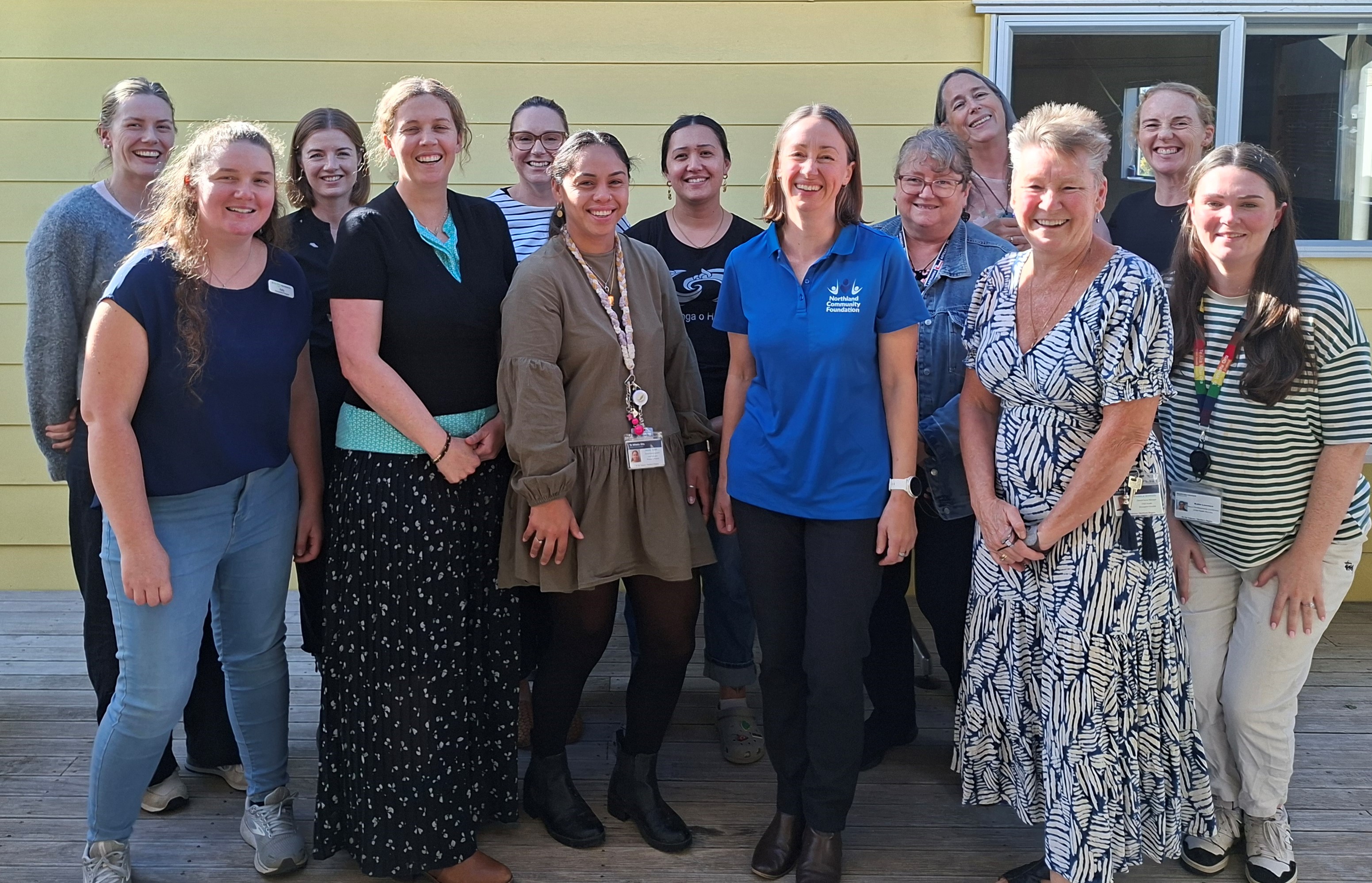
Child Health teams from across Health New Zealand | Te Whatu Ora Te Tai Tokerau came together recently to celebrate the research, innovation, and quality improvement projects led by staff across Northland.
The session was hosted at the Child Health Centre at Whangārei Hospital and was a chance for staff to share their research and learn from each other. The event highlighted the depth of expertise across the workforce and the strong commitment to equity, early intervention, and better long‑term outcomes for tamariki and their whānau.
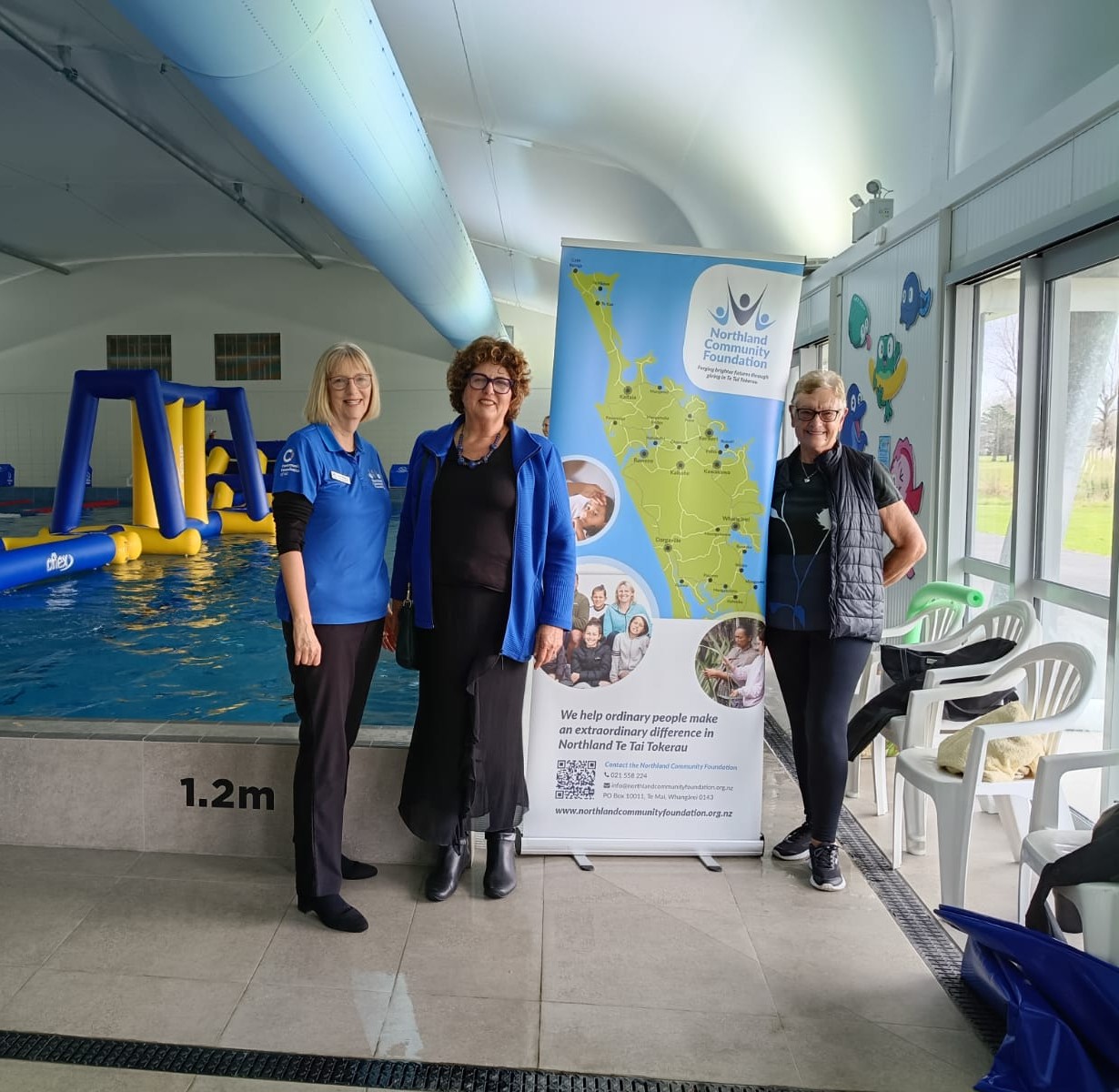
Northland Community Foundation (NCF) manages the Child Health Advancement Research Trust (CHART) Fund. The Fund is invested, with the interest being returned to the Child Health Centre as an annual grant.
Each year the grant is available to support innovative child health research and service improvements across Te Tai Tokerau. The Trust Fund was established by clinicians at the Northland DHB and was known as the ‘New Zealand-Pacific Child Health Advancement Research Trust’ until it wound up and was transferred to the Foundation in 2007.
After being transferred with a balance of around $11,000, it has since grown to around $25,000. The Fund is managed by the Foundation as part of Health Fund PLUS, a partnership between Health NZ and the Foundation, which supports research, training and patient comfort initiatives.
In total, eight different Child Health teams presented an overview of their work, and how a grant from the CHART Fund could help progress their project. Many of the teams carry out these projects in addition to their daily roles, highlighting the strong commitment they have towards improving health outcomes for our Northland tamariki. The projects reflect the creativity, dedication, and equity‑focused innovation happening across Child Health in Te Tai Tokerau.
Sophie Lane, CE of Northland Community Foundation, was there on the day to learn about the projects and spoke about the power of investing in children. Sophie said, “It was inspiring to hear about the initiatives that are happening behind the scenes across all aspects of child health that will make a real difference to the lives of children with health issues and their whānau.”
“The CHART Fund has enormous potential — potential that we haven't yet fully realised. To put it in perspective, a $100,000 fund can deliver up to $5000 in funding per year towards initiatives like these. At $200,000 we could deliver up to $10,000 per year. But to get there, the fund needs to grow.”
If you’re interested in helping grow this fund, reach out to Northland Community Foundation, or donate through our website.
You can donate today and receive a 33% tax credit on your gift. You can also include the fund in your Will. Even a small bequest, five or ten percent of your estate, compounds into something extraordinary over time. And every gift, no matter the size, genuinely matters.
Project Summaries from the Child Health Team
Neurodevelopment Team – Integration and Collaboration for Sustainable Services
With global awareness of neurodivergence increasing, demand for secondary assessments has grown rapidly. The team is working on a multi‑layered, equity‑driven approach to ensure services remain sustainable and accessible. Their work spans community education, clearer referral pathways, and dismantling siloed systems. They shared a fast‑paced overview of several interconnected quality improvement projects focused on building a coordinated, tiered model of pre‑ and post‑diagnostic support.
Hannah Lucas – Videofluoroscopy Service (VFSS) Coordinator Pilot
This pilot project introduces a dedicated coordinator role within the paediatric Speech‑Language Therapy team to improve equity, safety, and efficiency in the VFSS service. Centralising communication, rostering, and scheduling addresses risks created by rising demand and workforce shortages. Early learnings show clearer processes, reduced delays, and improved whānau experience. A small grant could support the development of information resources for whānau to help them understand the procedures involved in VFSS. .
Melody Ellice– Occupational Therapy Safety Screening & “While You Wait” Toolkit
To address long wait times and identify risk earlier, the OT team developed a structured safety screening process and a practical “While You Wait” toolkit for whānau. The project has improved responsiveness, enhanced safety, and supported more proactive engagement with families. Future work includes embedding the model across services and strengthening support roles.
Ashley Dean – Capacity Framework for Paediatric Speech and language therapy
In response to prolonged wait times and staffing shortages, the SLT team developed a capacity framework using a traffic‑light system to guide prioritisation and service adjustments. The framework provides transparency, consistency, and safer decision‑making during periods of high demand.
Gaylene Daniels, Irene Dunn, Melinda Horopapera -: Evolving a Whānau‑Centric Model
The Child Protection/Gateway service shared their journey toward a mana‑enhancing, whānau‑centred model of practice. As demand grows, the team continues to adapt, pivot, and redesign services to meet the needs of tamariki and whānau with equity at the heart of their kaupapa.
Jenae Valk – From One to Many: Growing the Nurse Practitioner Child Health Workforce
Over the past five years, Child Health has grown from a single Nurse Practitioner (NP) role in allergy/eczema to a broader, equity‑driven NP workforce. The model emphasises community‑based care, capability building, and supporting the wider nursing team.
Ailsa Tuck – TREAT‑SC Study: Rheumatic Fever Chorea Research
Te Tai Tokerau is a proud investigation site for the Australasian TREAT‑SC trial, which is testing whether a short course of dexamethasone can speed recovery from Sydenham’s chorea — a serious complication of acute rheumatic fever. With some of the highest rheumatic fever rates in the world, and Māori and Pacific tamariki disproportionately affected, this research has strong equity significance.
Kelly Art & Suzanne Wahanui – Equity in Action: Enhancing Client Experience
Recognising the impact of food insecurity on whānau engagement, the team introduced a simple but powerful initiative: providing accessible kai within Child Health. With a secure cupboard provided by Health Fund PLUS in 2025, which is stocked through staff contributions and support from the Wharekai, the kai station allows families to take what they need discreetly and without judgement. This has strengthened relationships and improved the overall client experience.
.jpg)
.jpeg)
.jpg)